
What Technologies Should You Choose for Building Your Web Application?
Maciek Grabowski ·
Choosing the right technologies for your web application is one of the most critical decisions for ensuring your project’s success. The technologies you select will influence the app’s performance, scalability, security, and development costs. In this article, we’ll explore the key factors to consider when making your decision and highlight some of the most popular solutions in web development.

What to Consider When Choosing Technologies?
Before selecting your tech stack, take the following factors into account:
1. Purpose of the Application
- Is your app a simple informational platform, or does it require advanced features such as data analysis, user management, or integrations with external systems?
- Who is your target audience? Applications with a large number of users need technologies that support scalability.
2. Project Timeline
Certain technologies, like frameworks such as React or Django, provide ready-made tools and libraries that can speed up development.
3. Budget
The cost of building an application includes not just the development team’s fees but also technology requirements like servers, licenses, and additional tools.
4. Scalability and Performance
If you anticipate growth, choose technologies that allow your app to scale seamlessly. Solutions like Node.js or Kubernetes are ideal for scalable infrastructures.
5. Availability of Developers
The popularity of a technology in the job market matters. Technologies like JavaScript, Python, or PHP have a large talent pool, making it easier to find skilled developers.

Frontend Technologies
The frontend is the layer of your application that users interact with. Below are some popular frontend technologies:
1. HTML, CSS, JavaScript
The foundational technologies of any web application. HTML structures the content, CSS handles styling, and JavaScript adds interactivity.
2. Frontend Frameworks
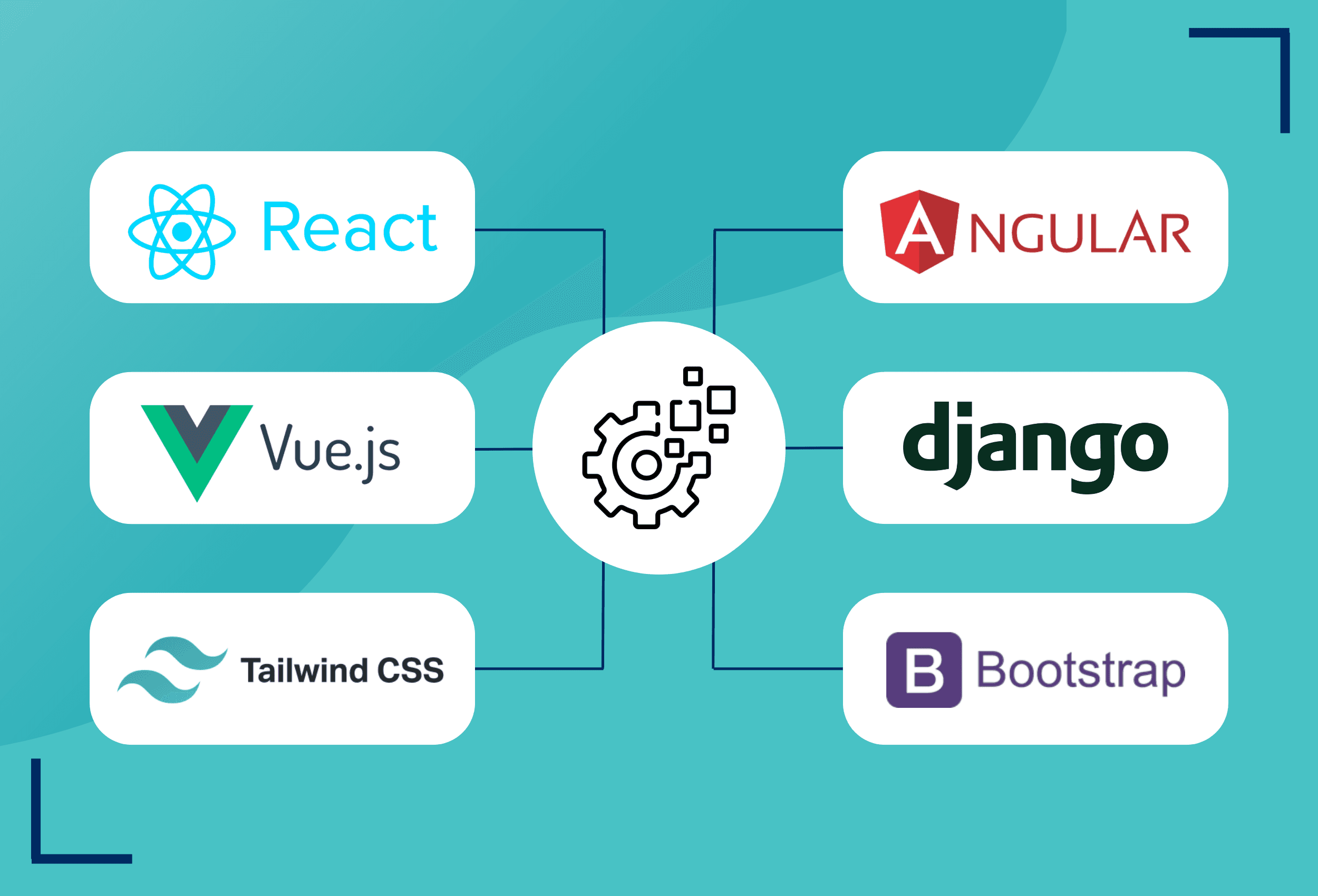
- React: A JavaScript library by Facebook, known for its speed, efficiency, and reusable components.
- Vue.js: A lightweight alternative to React, perfect for smaller projects.
- Angular: A Google framework ideal for large, complex applications.
3. Additional Tools
- Bootstrap: A CSS framework for creating responsive user interfaces quickly.
- Tailwind CSS: A modern utility-first CSS framework for designing styles directly in HTML.

Backend Technologies
The backend handles the application’s logic, data management, and communication with databases and servers.
1. Backend Languages and Frameworks
- JavaScript (Node.js): Popular for creating fast and scalable applications, especially real-time ones like chats or live apps.
- Python (Django, Flask): A versatile language perfect for data-heavy apps or those involving machine learning.
- PHP (Laravel): A mature solution widely used for websites and e-commerce platforms.
- Ruby (Ruby on Rails): Known for its rapid development capabilities, although less popular than before.
2. Databases
- Relational (SQL): MySQL, PostgreSQL, and Microsoft SQL Server are great for structured data.
- NoSQL: MongoDB and Firebase are suitable for dynamic, unstructured data.
3. API and Communication
- REST API: The most commonly used standard for communication between frontend and backend.
- GraphQL: A modern approach to data transfer, offering greater flexibility than REST.
Supporting Technologies for Web Development
1. Servers and Cloud Solutions
- AWS, Google Cloud, Microsoft Azure: These provide hosting, data storage, and scalability solutions.
- Heroku: A user-friendly platform for smaller projects.
2. Containers and Infrastructure Management
- Docker: Simplifies building and running applications in isolated environments.
- Kubernetes: Automates container management, ideal for large-scale projects.
3. CI/CD and Version Control
- GitHub, GitLab, Bitbucket: Tools for version control and team collaboration.
- Jenkins, CircleCI: Automate code deployment and testing processes.
How to Decide?
The choice of technologies depends on the scale of your project and your user expectations. For small, simple applications, lightweight frameworks and widely available hosting solutions may be sufficient. For larger projects, it’s advisable to consult experts who can recommend the best tools and technologies for your specific needs.
Conclusion
Building a web application requires careful planning and the right choice of technologies. The key is to match them with your business goals, budget, and future needs.
Not sure which solution is best for your application? Contact us! We offer comprehensive consulting and tailored web application development to meet your exact requirements.