
Stages of Website Development: From Brief to Launch
Maciek Grabowski ·
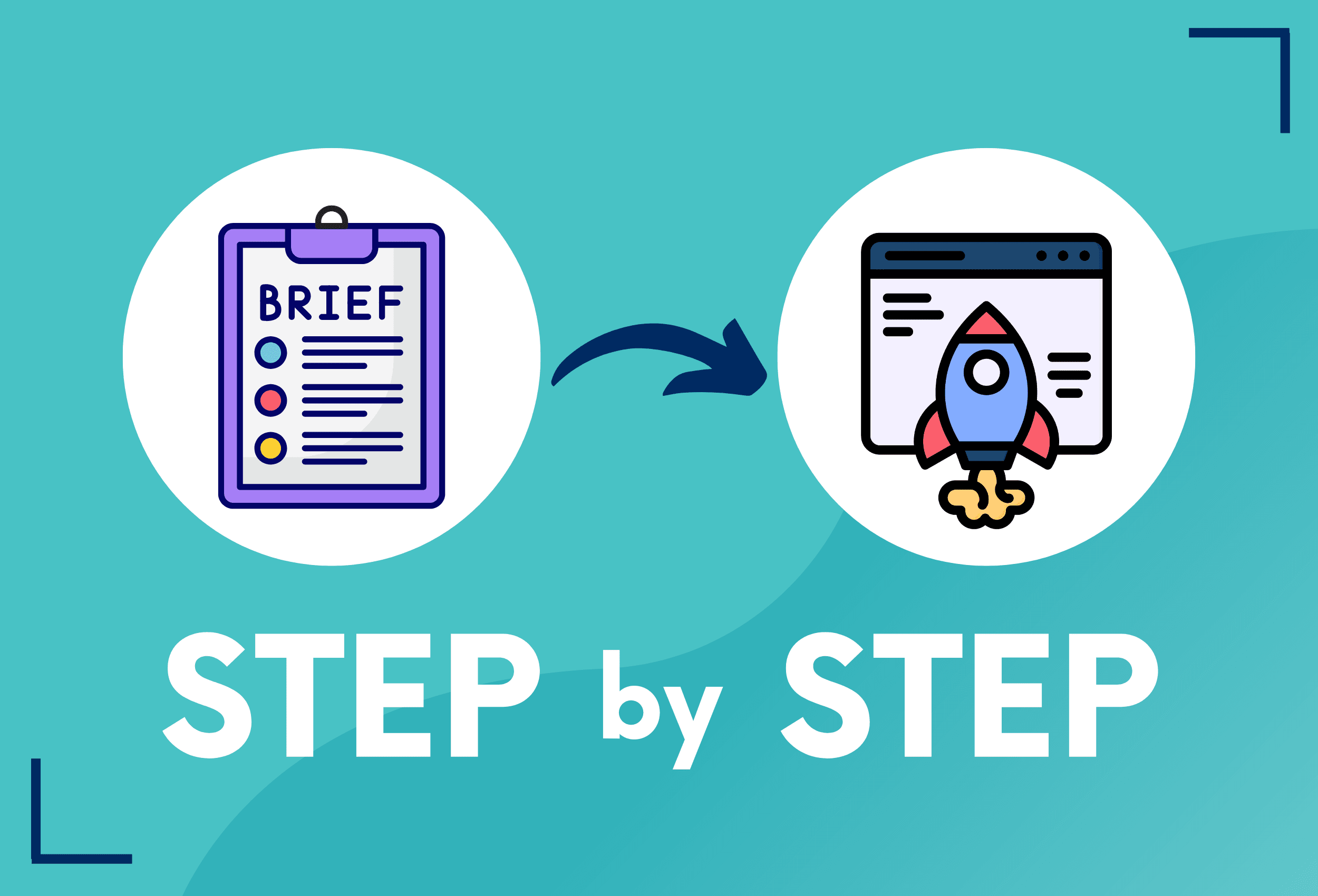
Creating a website is a multi-step process that requires careful planning, design, and technical execution. To ensure that a website meets both the client’s expectations and the users’ needs, each stage must be carefully thought out and implemented. In this article, we’ll walk through the stages of website development – from the initial brief to the final launch. If you’re planning to build a website for your business, this guide will help you understand the entire process and why it’s worth entrusting professionals with the task.

1. Brief and Needs Analysis
Every website project begins with a brief, which involves understanding the client’s needs. At this stage, the web development agency must learn about the business goals, target audience, and functional requirements of the site.
Key questions to address in the brief:
- What are the main goals of the website (e.g., sales, lead generation, brand awareness)?
- Who is the target audience?
- What functionalities must the site include (e.g., integration with external systems, e-commerce)?
- What content needs to be included on the site?
The analysis of the brief helps in creating a concept and action plan that meets the client’s expectations and market needs.

2. UX/UI Design
After thoroughly analyzing the brief and defining the requirements, the design team moves on to the UX (User Experience) and UI (User Interface) design stages.
- UX Design focuses on the functionality of the site and providing an intuitive navigation experience. At this stage, wireframes are created, which outline the layout and organization of content.
- UI Design focuses on the visual appearance of the website, including color schemes, fonts, icons, and graphic elements that attract attention and align with the brand’s identity.
Both elements are crucial because they influence how users perceive the site and whether they will find it easy and enjoyable to use.

3. Content Preparation
A well-designed website is not just about an attractive look and functionality – content is equally important. Depending on the type of website, this may include product descriptions, blog posts, company information, or sales offers.
Guidelines for creating effective content:
- The content must be tailored to the target audience.
- SEO optimization is necessary to improve the site’s visibility in search engines.
- The content should be engaging, clear, and concise.
At this stage, copywriters work closely with the design team to ensure the content aligns with the visual and functional design of the site.

4. Development and Feature Implementation
After the design and content are approved, the next step is development, where the development team brings the design to life. All of the website’s functionalities are implemented at this stage, such as payment systems, contact forms, and integration with marketing tools or databases.
Key elements of this stage:
- Choosing the right technology (e.g., WordPress, React, Laravel) based on the client’s needs.
- Ensuring the site is responsive and works well on all devices (smartphones, tablets, desktops).
- Ensuring the website is optimized for speed and performance, which is important for both users and SEO.
Development requires close collaboration between developers, designers, and testers to ensure everything functions as intended.

5. Testing and Optimization
After the development phase is complete, the website undergoes a testing phase, where it is checked across different devices, browsers, and internet connection speeds.
Testing includes:
- Checking the site’s display and functionality on both mobile and desktop devices.
- Testing features such as contact forms or the checkout process in an e-commerce store.
- Detecting and fixing any errors.
An essential part of this stage is also optimizing the website for speed and SEO to ensure it loads quickly and ranks well in search engines.

6. Website Launch
Once all testing is complete and final tweaks are made, it’s time for the most exciting part – the launch of the website. This is when the site becomes live and accessible to users.
What does the launch involve?
- Deploying the website to the chosen server.
- Final verification to ensure all elements work correctly in the production environment.
- Informing clients and customers about the new website, often through marketing campaigns or email newsletters.
A well-prepared website should be ready for immediate use, free of technical problems, and performing at full capacity.

7. Post-launch Support and Continuous Development
Website development doesn’t end with its launch. After the site goes live, ongoing support is crucial for monitoring performance, making updates, and ensuring security.
Post-launch support includes:
- Monitoring the site’s performance, including load times, server errors, and traffic.
- Updating the CMS, plugins, and security measures to keep the site running smoothly.
- Expanding the site with new features or marketing campaigns as business needs evolve.
Conclusion
Each stage of website development – from brief to launch – plays a crucial role in the success of the final product. A well-designed, responsive, and optimized website not only attracts new customers but also enhances your online visibility and business outcomes.
If you’re looking to create a website tailored to your business needs, contact us today! We offer comprehensive web development services, from design to post-launch support, to help you achieve your digital goals.