
Why Technical SEO is Crucial for Your Website
Maciek Grabowski ·
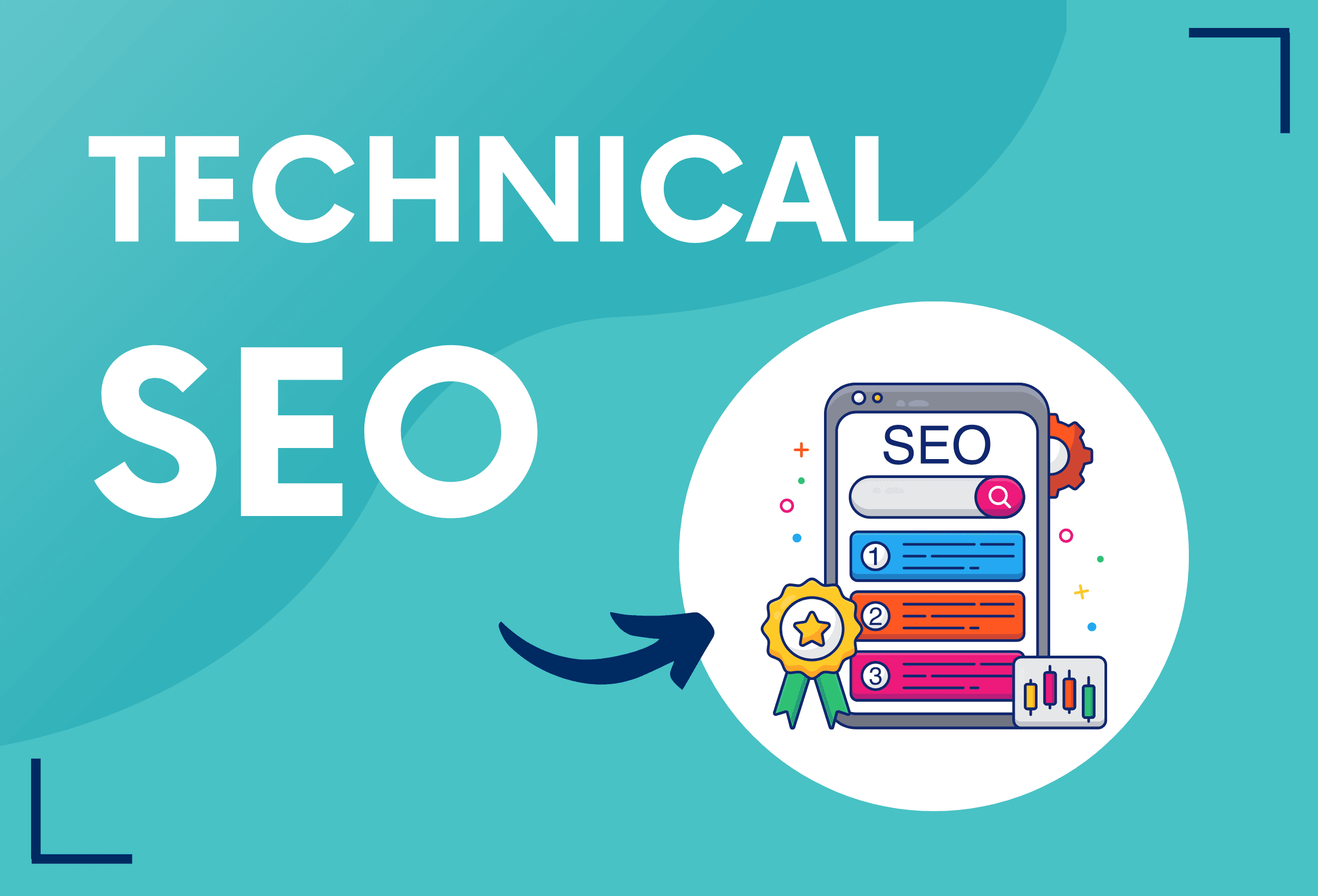
Technical SEO forms the foundation of an effective SEO strategy, and it’s essential to get it right. While SEO is often associated with keywords and content, technical aspects are just as important. A well-optimized website structure helps search engines access and understand your site while also creating a better user experience, which translates to higher rankings. This article will cover what technical SEO is, its key elements, and why it’s crucial to invest in it.
What is Technical SEO?
Technical SEO is the process of optimizing a website’s structural and technical elements to make it easier for search engines to crawl and understand its content. Unlike keyword-focused SEO, technical SEO focuses on elements like site speed, HTML structure, XML sitemaps, and mobile responsiveness. A technically optimized website stands a better chance of ranking higher in search results and providing a smooth experience for visitors.
Why is Technical SEO Crucial?
- Increases Website Visibility in Search Engines Search engines, like Google, analyze several technical aspects to determine where a site ranks. Elements like site structure, internal linking, and loading speed have a direct impact on ranking. A technically optimized website is viewed more favorably by search algorithms, giving it a better chance to appear in top search results.
- Enhances User Experience (UX) Technical optimization also improves user experience. Fast-loading pages, easy navigation, and mobile responsiveness encourage visitors to spend more time on the site, explore its content, and take desired actions like making purchases or signing up for newsletters. These factors affect metrics such as bounce rate and time on site, both of which search engines consider.
- Ensures Content Indexing For your content to appear in search results, it needs to be indexed by search engines. Technical SEO simplifies this process by ensuring that search engines can easily access all of your content. Elements like XML sitemaps, URL structure, and heading hierarchy help with indexing, increasing the likelihood that your content reaches a broader audience.
- Improves Site Security Security is a key component of technical SEO. Google favors sites that use SSL certificates (i.e., HTTPS). Sites lacking these security features are marked as “not secure,” which can deter users and negatively impact search rankings. Implementing SSL and regular updates boosts your site’s credibility and encourages users to engage with it.
- Supports Page Load Speed Load speed is one of the most important factors impacting user experience and search ranking. Technical SEO considers aspects like image optimization, browser caching, and minimizing CSS and JavaScript files. Slow-loading sites drive users away and result in high bounce rates, which can harm your ranking.
Key Elements of Technical SEO to Implement

1. Page Load Speed Optimization
Review and optimize load times by compressing images, using browser caching, and minimizing code. Tools like Google PageSpeed Insights can help identify areas for improvement.
2. SSL Certificate Implementation
An SSL certificate (https://) is essential for securing user data and achieving better search rankings.


3. XML Sitemap and URL Structure Optimization
An XML sitemap and well-organized URL structure make it easier for search engines to index your content and understand your site’s hierarchy.
4. Clear Navigation and Internal Linking
A clear navigation structure and well-planned internal linking make it easier for both users and search engines to navigate your site, positively impacting your SEO.


5. Mobile Optimization
Google prioritizes mobile-friendly sites, so responsive design is a crucial element of technical SEO. This ensures your site is user-friendly on smartphones and tablets, boosting your ranking.
Conclusion
Technical SEO is a vital component of any SEO strategy, significantly boosting your site’s visibility and enhancing user experience. A well-optimized website loads quickly, is secure, responsive, and easily accessible to search engines. To stay competitive and attract more visitors, make sure your site meets technical SEO standards or reach out to us for professional support in optimizing your website.